Principal Secretary Commends SAVE Project Construction Progress
Secretary
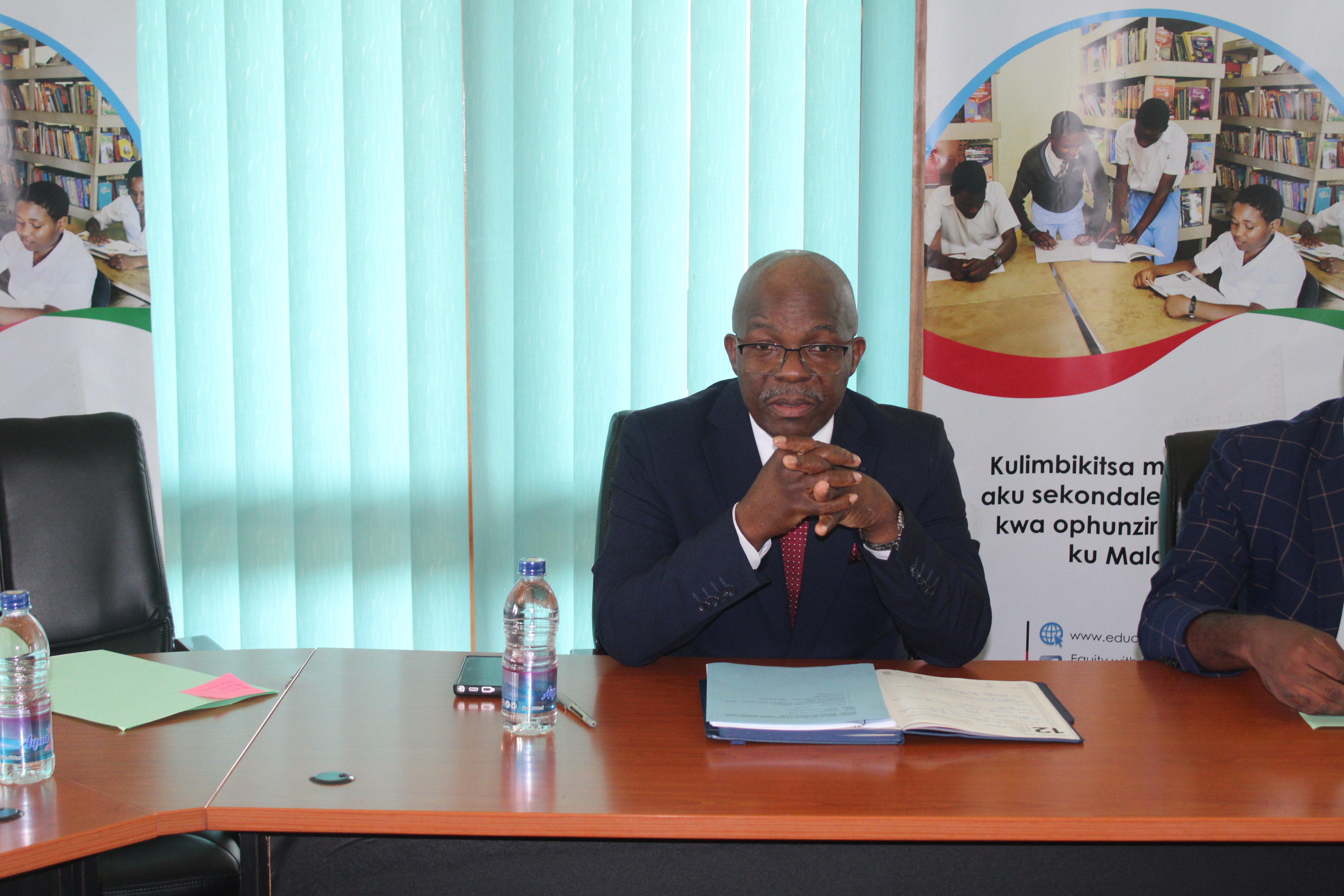
for Education, Science and Technology, Dr Ken Ndala has commended progress of construction
at universities and colleges under the Skills for A Vibrant Economy (SAVE)
Project.
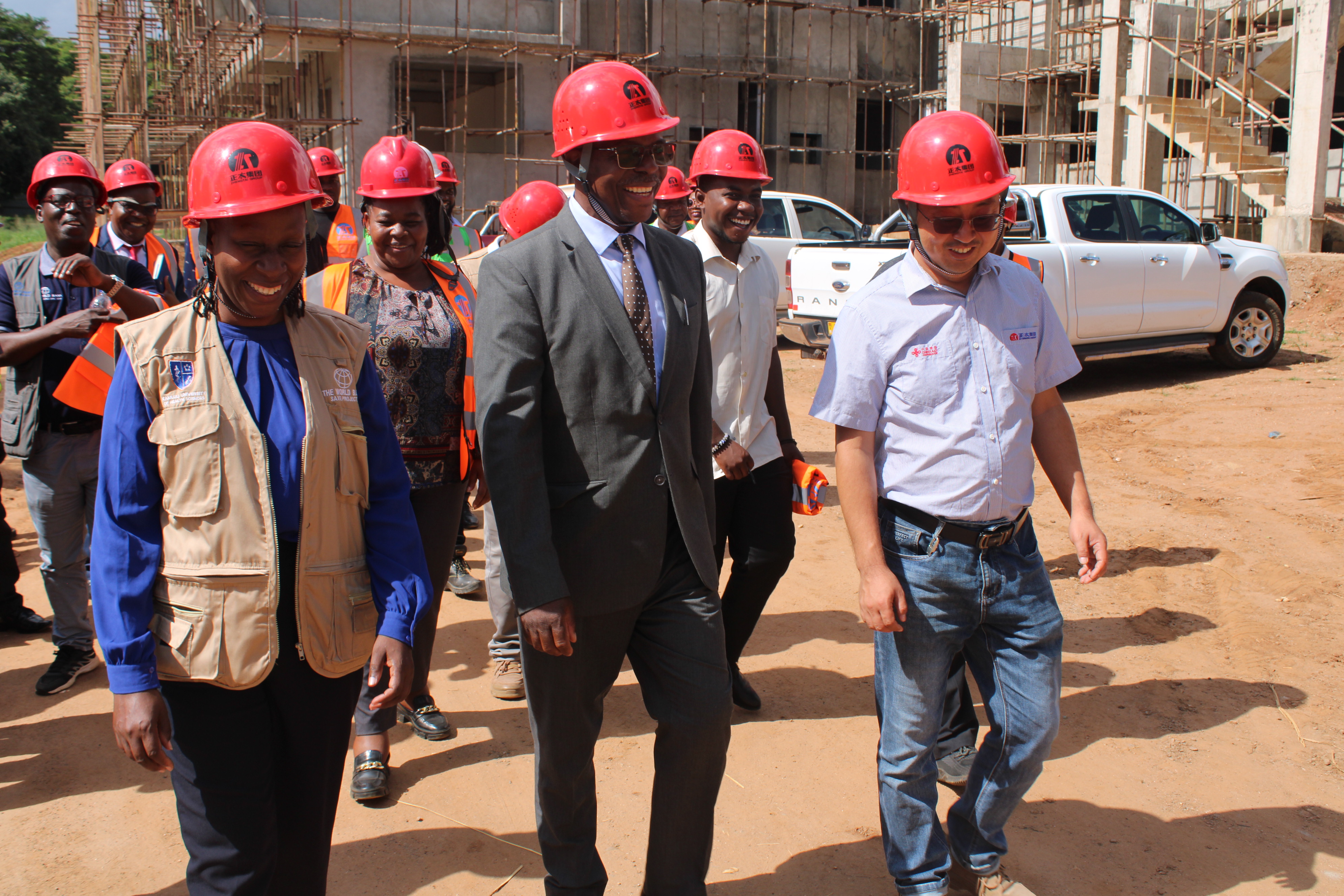
Ndala made the remarks Tuesday in Lilongwe
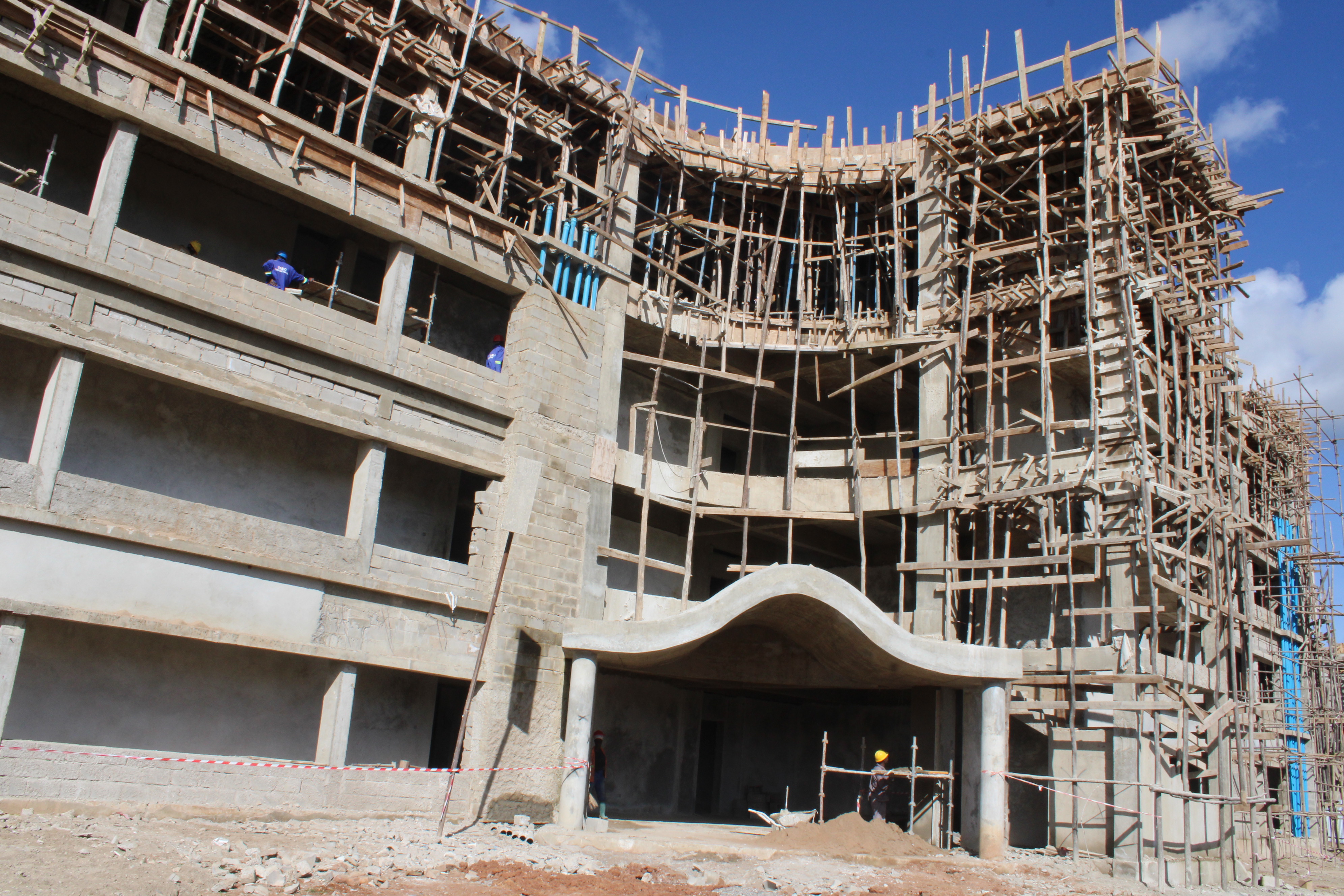
during an inspection of Kamuzu University of Health Sciences (KUHeS) and
Nalikule College of Education (NCE) to assess progress and appreciate challenges
affecting construction works of Open Distance and e-Learning (ODeL) hub and
teaching complex.
This was the first time since he became co-Chair
of the Project Steering Committee (PSC) – the strategic leadership team of the SAVE
Project – and as head of the Ministry and leading enabler - to appreciate its
implementation progress.
He emphasised the importance of strong
coordination and collaboration among the implementing stakeholders and urged
contractors to meet the scheduled June 2026 completion deadline, warning that
delays could effectively slow subsequent government processes.
KUHeS SAVE Project Team Leader, Dr. Patrick
Mapulanga said the institution received 5.8 million US dollars,
largely for teaching infrastructure, alongside upgrades such as expanded Wi-Fi,
network replacement, staff training, and learning materials procurement.
Contractor Zhengtai Group, Managing
Director, Chen Xiaofeng, cited supply chain disruptions, rising fuel prices,
and increased labour costs as challenges that have negatively impacted
construction timelines.
Nalikule College, Principal Dr Elizabeth
Meke said construction of a skills centre, now at 40 percent progress is
expected to be completed by June 30, 2026, noting that it will significantly
improve programme delivery and access to training.
The SAVE Project supports skills
development across 31 tertiary institutions – 9 public higher education
institutions, 7 national technical colleges and 15 community technical colleges,
focusing on labour-market-driven training, women’s empowerment, digital skills,
institutional strengthening, and learning continuity.
The SAVE Project rolled out in 2021 to be
implemented for 5-years is funded by the World Bank for 100-million United
States Dollars.