Contractors Called to Accelerate SAVE Project Construction
by Anderson
Fumulani
Skills for A
Vibrant Economy (SAVE) Project has mounted pressure on some 22 contractors across
the country to complete their construction by end of June this year or lose billions
of Kwachas through unused project funds.
With US$100
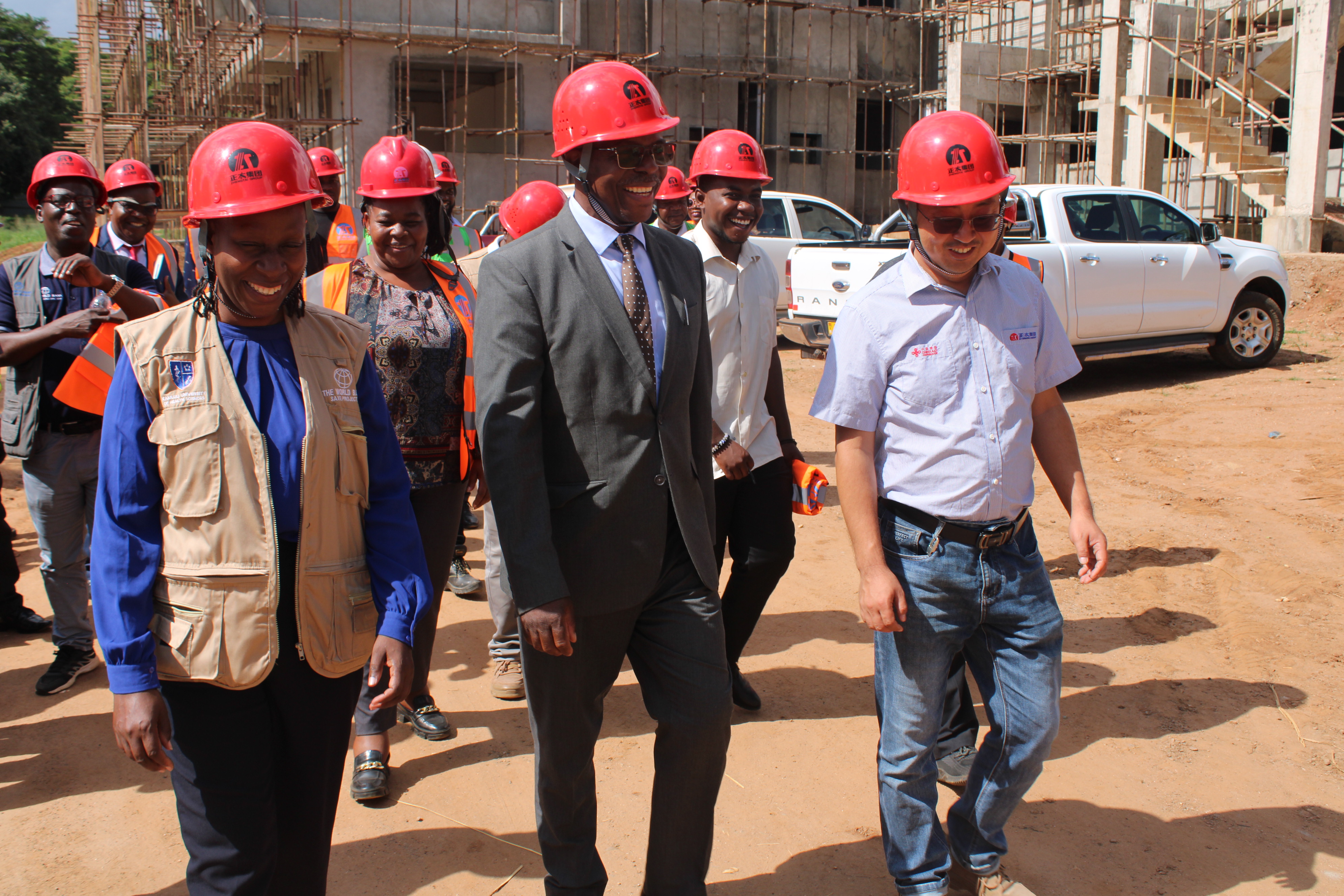
million funding from the World Bank, the 22 contractors comprising both local
and foreign are constructing various modern teaching and learning facilities, administration
offices and girls’ hostels in various higher education institutions and
technical colleges in Malawi.
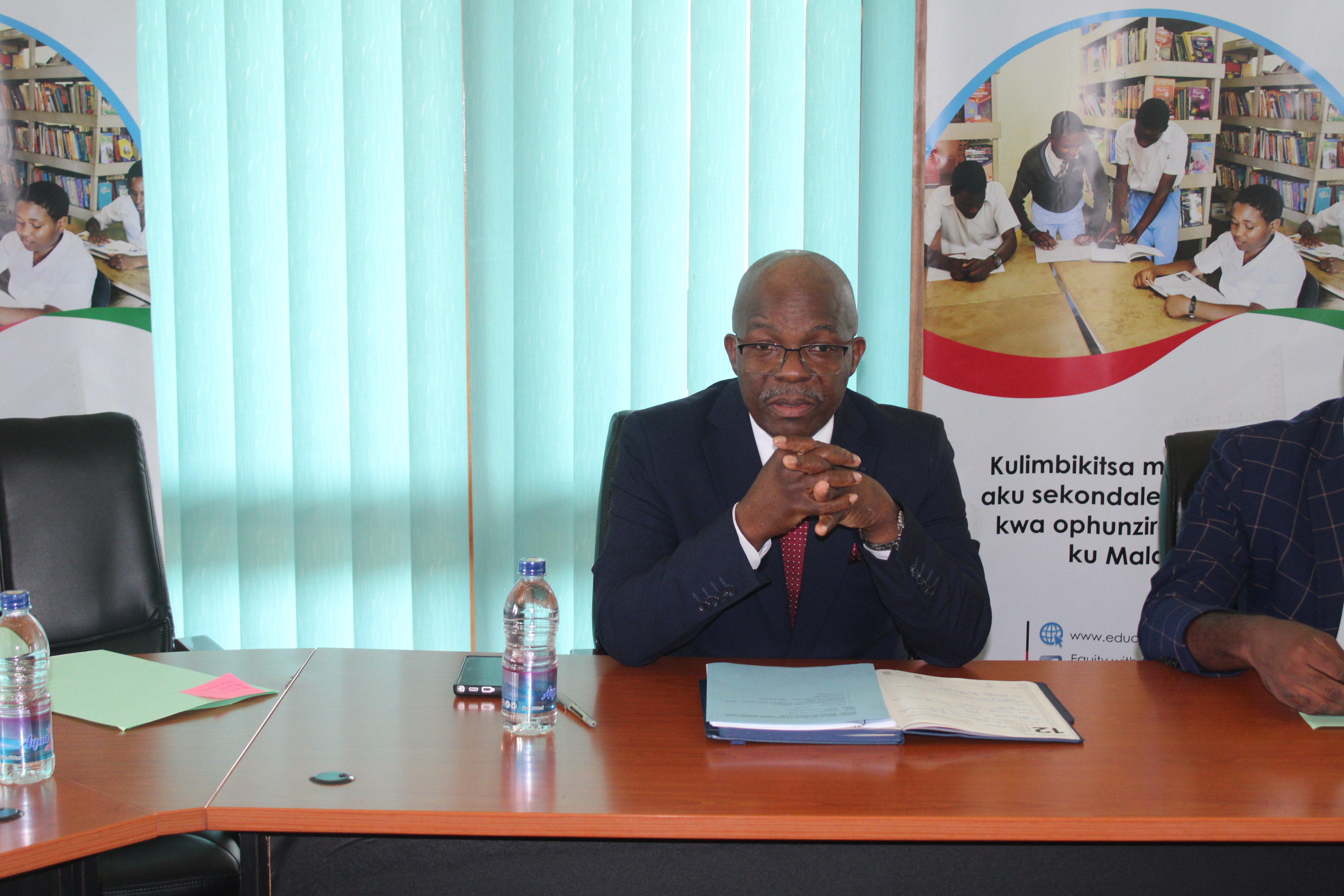
Secretary for
Education, Science and Technology (MoEST) Dr Ken Ndala pulled the string early
this week when he summoned all the contractors across the country and their
supervising consultants to devise acceleration plans to complete construction works
by end of June this year.
“Given the absorption rate of resources and realising
we have only 3-months left to end of the project, it will be a shame to return
the money if the construction is not completed,” he warned, citing the Ministry
of Education and Ministry of Labour, the supervising consulting firms and the
contractors as would-be victims of shame. The warning was sounded early this
week at Mponela in Dowa when he summoned the contractors and their supervising
consulting firms.
MoEST and Ministry
of Labour, Skills and Innovation (MoLSI) are joint implementers of the
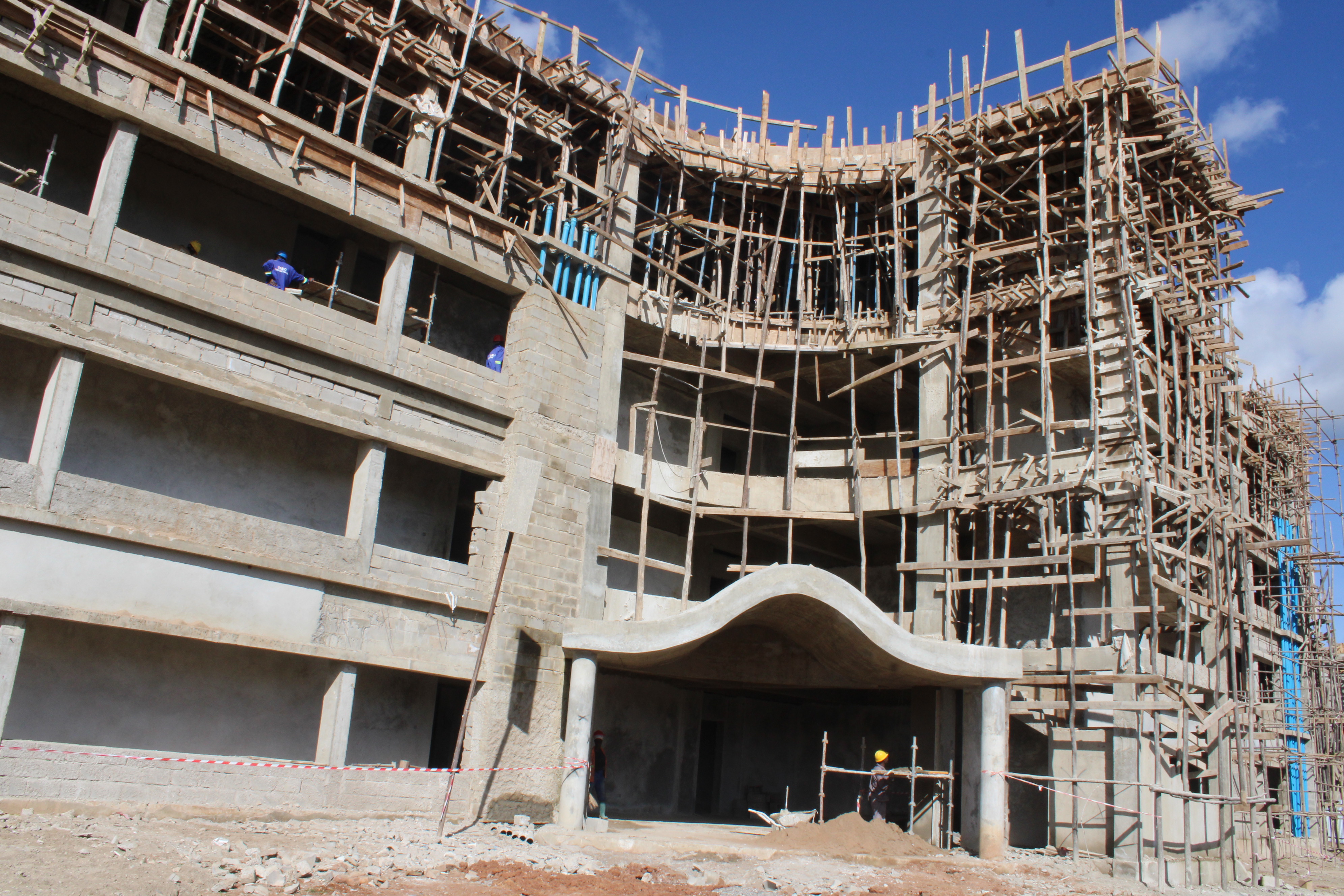
5-year-long SAVE Project which will officially end on June 30, 2026. While
there is considerable progress, construction for various structures under the
Project has stalled.
With only
three months left to the June 30, 2026 deadline, Dr Ndala asked the contractors to
accelerate construction to fully absorb the allocated funds. He explained that failure to complete the project
risks returning unspent funds which
will undermine the
project’s transformative potential for Higher Education
Institutions (HEIs) and National Technical Colleges (NTCs) in Malawi.
He reminded the contractors
that the the World Bank had ruled out a “no-cost-extension” provision which will unfortunately
place the government to take over responsibility for completing the unfinished structures albeit with no guarantee of funding due to numerous
budgetary demands.
A total of 31 institutions spread across the country from Chitipa up-north to Thyolo in the south
and Salima and Mangochi to the east and Mchinji to the west are participating
in the SAVE Project. They include the country’s nine public universities, seven national technical colleges and 15 community technical colleges across
Malawi.
The SAVE Project was rolled out in 2021 with the objective of increasing equitable access to market-relevant skills in priority areas of the economy, especially for females and vulnerable youth. Targeted priority sectors of the economy include agriculture, tourism, transport, logistics, information and communication technology (ICT) and digital development, manufacturing, construction, energy, mining, climate resilience, and financial services.