World Bank Recommends SAVE Project Extension
The World Bank has recommended a one-year extension of the Skills for a Vibrant Economy (SAVE) Project in Malawi, pushing the implementation period from July 2026 to June 2027. The project, which has been running since 2021, is funded by the World Bank for USD 100 million over five years.
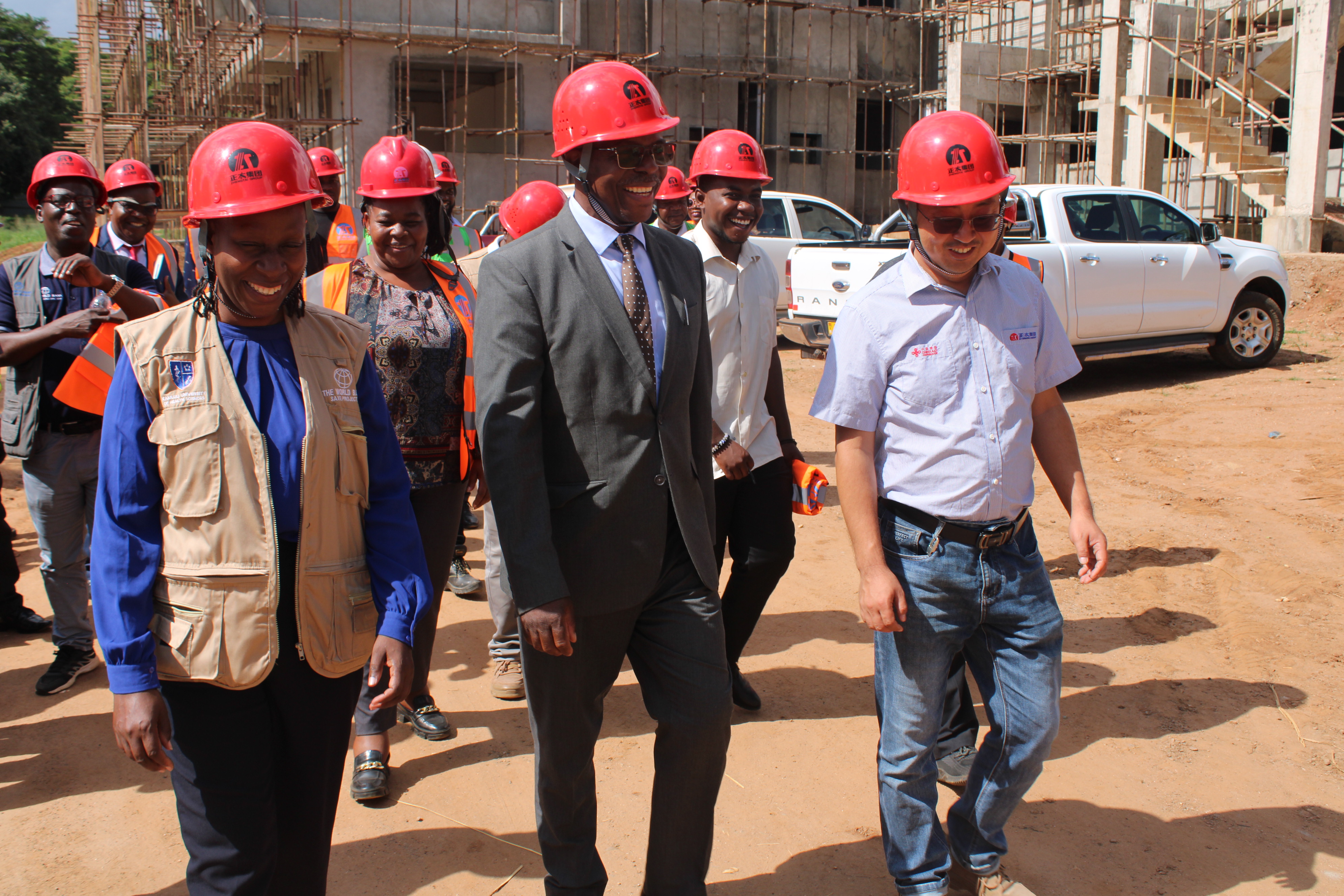
The recommendation was made on Wednesday in Lilongwe by World Bank Task Team Leader (TTL) for the SAVE Project, Nobuyuki Tanaka, during the presentation of the Bank’s Implementation Support Mission report.
Tanaka noted that while the project has recorded significant improvement in overall performance since the Mid-Term Review, both the World Bank and the Malawi Government have jointly determined that a 12-month extension beyond the current closing date of 30 June 2026 is operationally necessary.
“…based
on the detailed analysis and extensive field visits conducted during the
mission, the World Bank’s task team and the Government have jointly determined
that 12-month extension—beyond the current closing date of June 30, 2026—is operationally
necessary,” he said at the Ministry of Education, Science and Technology
(MoEST) at the Capital Hill
Tanaka
emphasised that the project’s objectives remain highly relevant and closely
aligned with the Government’s strategic priorities for education and training.
In
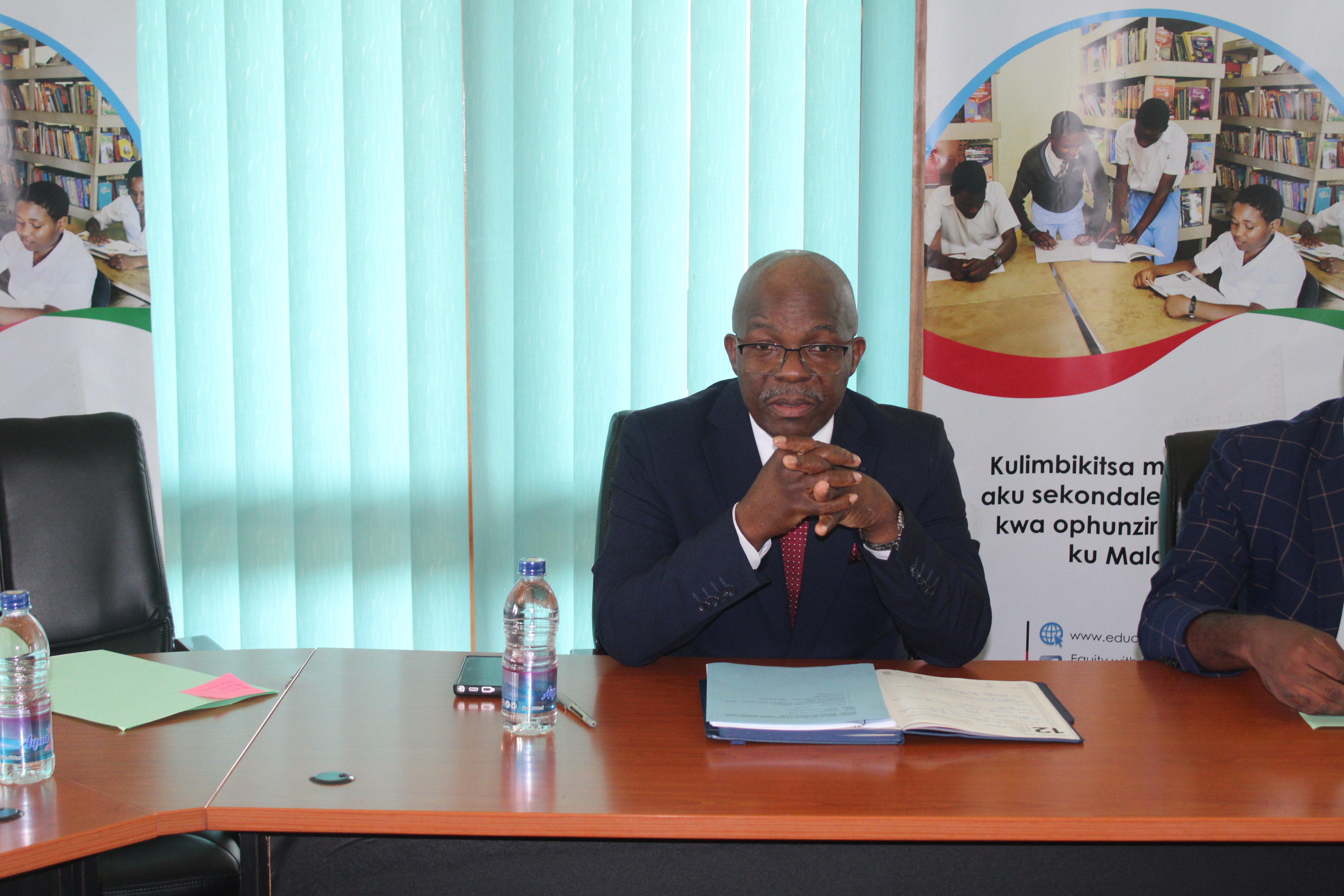
his remarks the Secretary for Education, Science and Technology (SEST) Dr. Ken
Ndala, who also co-chairs the Project Steering Committee (PSC), a strategic
leadership team for the SAVE Project underscored the importance of ensuring
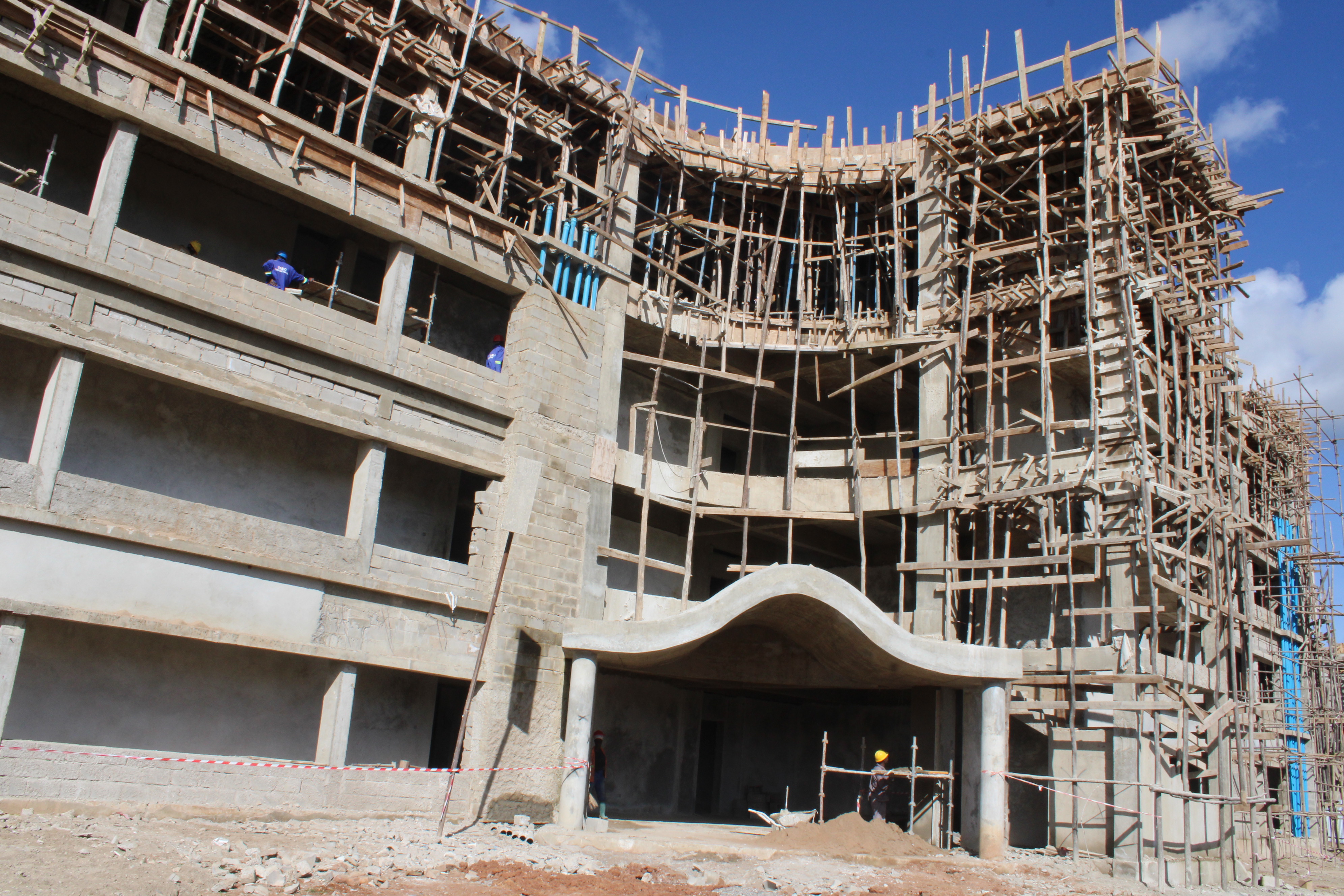
that the construction component is fully completed, describing it as
transformative for the country.
Said
Dr. Ndala: “We asked contractors when they thought they would complete
construction because, when the structures are completed, it would be very
transformative” He explained saying that engagements with contractors are
ongoing to establish realistic completion timelines without compromising
quality.
The
SAVE Project targets increased access to labour market-relevant skills development
programmes, with a particular focus on women and vulnerable youths, across
priority sectors including agriculture, construction, energy, mining, climate
resilience, and financial services.
A
total of 32 institutions benefit from the SAVE Project comprising 10 public
Higher Education Institutions (HEIs), seven National Technical Colleges (NTCs),
and 15 Community Technical Colleges (CTCs) spread across the country. Construction,
which commenced in November 2024, represents the largest component of the
project, accounting for 40 percent of total funding.